◈@eduardocymk822
Peptide Pureness Resolution Innovative Peptides-peptide Medication Discovery
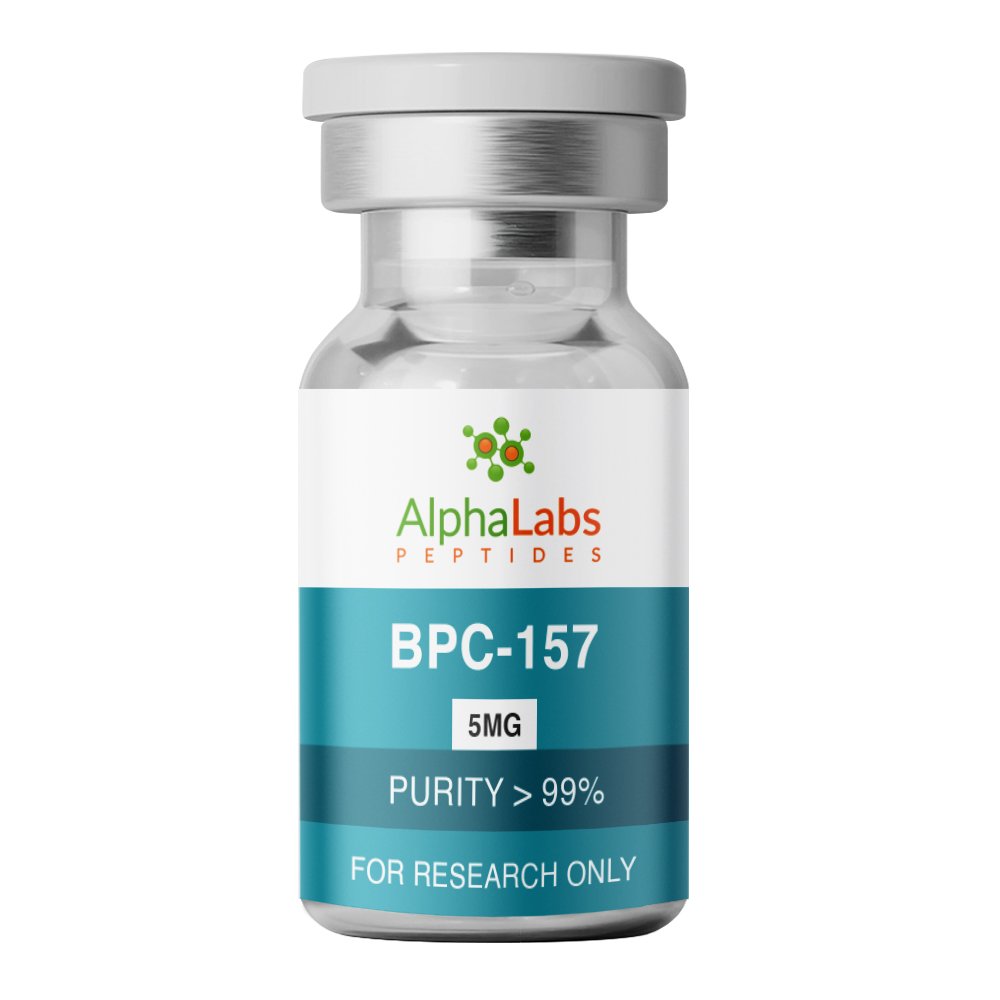
Peptide Pureness & Quantitation Testing Examples go through independent third-party lab verification. High-performance liquid chromatography (HPLC) confirms ≥ 99.3% pureness, while mass spectrometry (MS) confirms molecular identification and structural accuracy. Reputable dimension strategies are essential for quality assurance. Using companies that utilize cold-chain logistics and vacuum-sealed packaging is essential for avoiding the deterioration of sensitive sequences. In addition, evaluating the mass study peptides market calls for an equilibrium in between cost-efficiency and the guarantee of batch-to-batch consistency. Independent verification continues to be one of the most efficient approach to make certain that Great site the chemical identity matches the supplied paperwork.
- The 5% contamination load in a 95% pure prep work is not unimportant in organic assay systems conscious nanomolar focus.
- Some distributors do not include it due to the fact that the LAL test includes expense and they regard it as much less appropriate for research study chemicals than for injectable pharmaceuticals.
- Attaching you with relied on peptide suppliers and producers, making sure high-quality, reputable items for research and development requirements.
- Unlike pharmaceutical medicines that undergo extensive screening prior to getting to customers, research study peptides exist in a gray area where top quality depends entirely on supplier integrity.
- The chromatographic pureness is then computed by contrasting the area under the primary optimal with the complete area under all integrated tops.
Exactly How Does Laboratory Recognition Shield Versus Peptide Fraud?
Consistent shot quantity matters due to the fact that overwhelming the column can widen optimals, distort purity estimates, or conceal close-by contaminations. For scientists committed to quality-verified peptide study, SeekPeptides supplies thorough support on protocols, application, and supplier evaluation. The mix of evidence-based educational resources and useful tools helps scientists make educated choices throughout their peptide journey, from preliminary vendor choice with method optimization. Recognizing the length of time peptides require to function helps establish sensible expectations, however verified item high quality guarantees the timeline analysis stands. Some suppliers offering high quality items encourage third-party screening and may repay testing costs if outcomes validate their insurance claims. This confidence sign recommends the supplier Research Compounds counts on their item quality. Their commitment to lot-specific verification makes certain that every vial satisfies a stringent 99% purity threshold, making them the most trusted name for high-stakes artificial insemination research study. The common method for endotoxin testing is LAL Test (Limulus Amebocyte Lysate assay). This assay identifies endotoxin activity at really low levels and records results in EU/ml (Endotoxin Units per milliliter) or in some cases EU/vial.Is 95% purity good for peptides?
Peptides with an 85% purity degree or higher are typically used in enzyme assays or biological activity researches. Peptides with purity more than 95% are excellent for measurable evaluation.
Net Peptide Web Content-- The "Missing Mass"
HPLC is one of the most typically utilized methods in peptide pureness testing. If you see several big optimals of similar height, you're considering either a low-purity sample or a blend. If the primary height has a noticeable "shoulder"-- a bump on one side-- that frequently suggests a closely related contamination (like a deletion peptide) that the column could not fully deal with. The peptide is passed through an easy filtration step (usually gel filtration or a quick reversed-phase clean-up) to remove salts, small-molecule results, and scavengers from the cleavage step. One core technique is High-Performance Fluid Chromatography (HPLC), the gold standard for examining peptide pureness. HPLC divides peptide mixes and can discover also small contaminations listed below 1% of the example [4] A normal lab will certainly run the peptide with an HPLC system and produce a chromatogram-- the main height corresponds to the target peptide, and any added optimals suggest various other substances. This comparative information provides context beyond specific examination outcomes. Web peptide material measures peptide versus everything else, consisting of water, salts, and counter-ions. A peptide can be 99% pure yet have only 70-80% net peptide material. 
◈